|
|
|
|
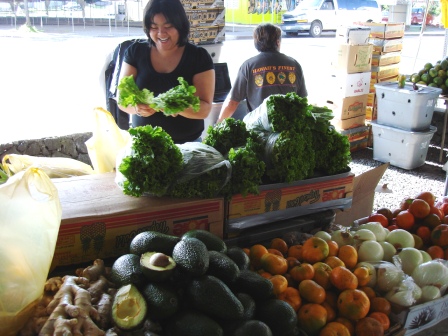
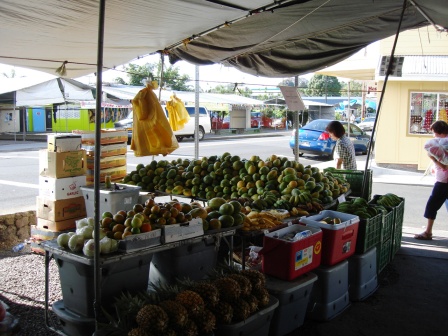
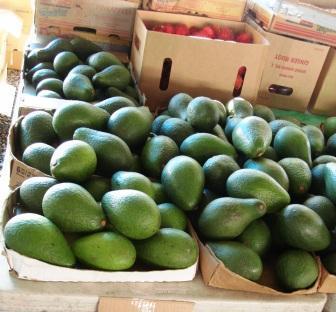
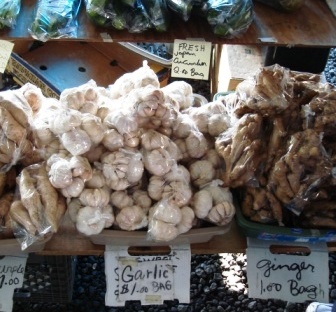
One of the major benefits of living on the island of Hawaii is the availability of locally grown fruits and vegetables, fresh caught fish, grass-fed beef, local raised chicken, pork, and eggs. Locally grown food, green energy (wind, solar, and volcanic thermal energy), and a small population gives Hawaii Island a high probability of becoming completely self sustaining. Here is what we have discovered about Hawaii's local food products. Hawaiian Fruits and VegetablesFresh Hawaiian Fish Grass-fed Hawaiian Beef and local meats Other Hawaiian food products and what is missing Health food stores in Hilo Hawaii Healthy: Resources for Exceptional Health in Hawaii Fresh food is everywhere on the island of Hawaii. In Hilo many people grow fruits in their backyard, buy their fruits and vegetables at farmer's markets, and have the benefit of grocery stores that support local farmers, ranchers, and fisherman by carrying their produce. Eating locally grown food is healthier than processed foods and cheaper than foods shipped in from the mainland. KTA grocery store has "Mountain Apple Brand" products which are Hawaiian grown or made on the island. Foodland, Target, and COSTCO also carry local produce and products from Hawaii Island. People in Hawaii are surprising healthy, ranked at the top of all states in the US for health, longevity and Happiness. We wrote a book about why people in Hawaii are so Healthy and Happy that describes the unique aspects of living in Hawaii that contribute to health and happiness on the islands. When talking about the healthy aspects of living on the island of Hawaii, we cannot leave out the fact that we live on a very active volcano. Since early 2008, the volcano has been issuing heavy emissions - volcanic smog or VOG. The VOG has negatively impacted the air quality of the island forcing people with respiratory problems or asthma to move elsewhere. VOG, earthquakes, and tsunamis are a part of living on Hawaii Island along with the bountiful food and beauty. Hawaiian Fruits and Vegetables Every day farmers and enterprising residents sell their produce at Hilo Farmer's Market. They sell tropical fruits, vegetables, nuts, and flowers depending upon the season. Many of the fruits and vegetables are not grown elsewhere in the USA.
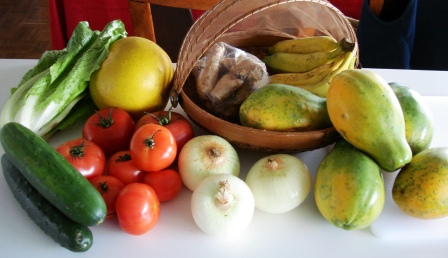
We buy at Hilo Farmers Market and others nearby like Kino'ole market on Saturdays.
A Hilo Farmers Market purchase:
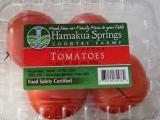
Hawaii grown produce is also available in local super markets and box stores.
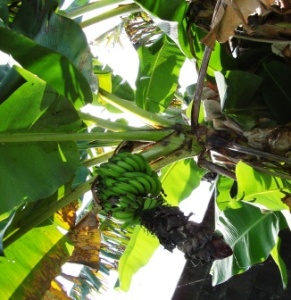
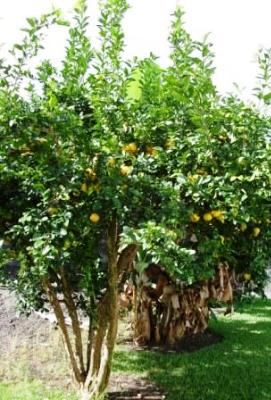
Backyards are overflowing with lemons and bananas and residents share and trade their produce.
Fresh Hawaiian Fish
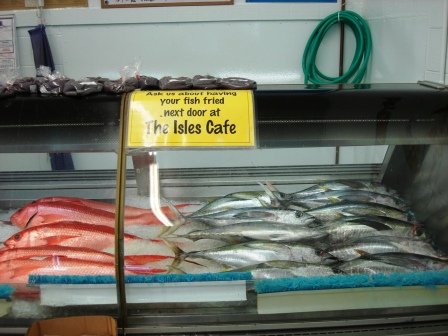
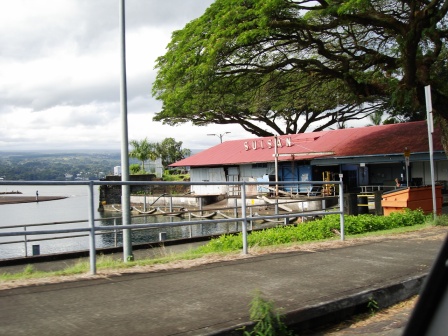
We love fish because it is low calorie and tastes great. Suisan fish company has a retail store in Hilo next to the dock where fisherman unload their catch every day for early morning market. There fish is also available in super markets.
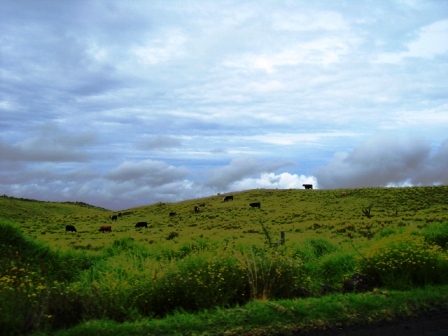
Hilo fisherman catch ahi tuna, mahi mahi, opah, and many other varieties of Pacific fish. The availability of a particular type of fish depends on the season. Grass Fed Hawaiian Beef Hawaii Island has abundant grazing land for beef steer raised on local ranches. The grass-fed, hormone-free, beef tastes very different from steers raised on corn in feeding lots. When cooked, the fat is clear, like water. Research shows higher levels of Omega 3 oil in grass fed beef.
Hawaii has farms where chickens, pigs, and sheep are raised without being pumped with antibiotics and hormones. We find the products taste better than on the mainland. The chickens are smaller, since they have no growth hormones and we used to mistake chicken breasts for thighs. 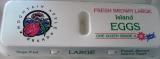 
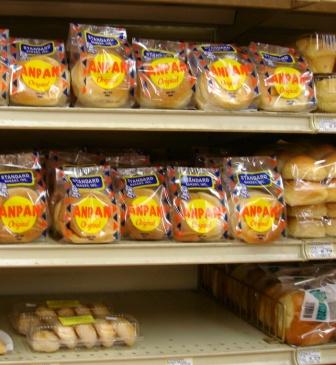
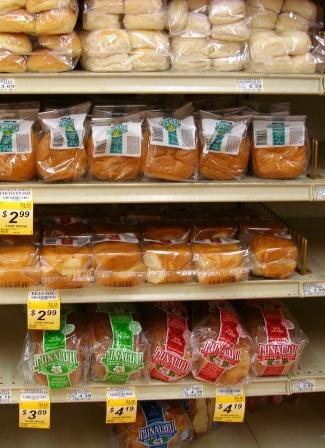
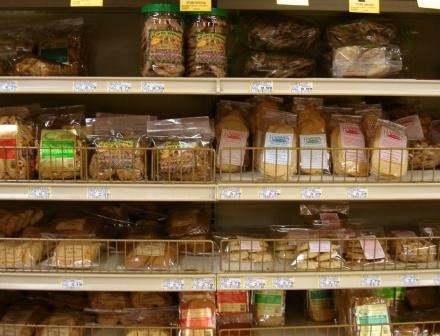
Other Hawaiian food products and what is missing Other foods that are locally produced include breads, cookies and baked items (though the wheat is shipped in), nuts, honey, vanilla, oils, sugar, coffee, chocolate, tofu and tempeh (from imported soybeans), chips, noodles, etc. Below are pictures of the shelves at KTA in Hilo filled with Hawaiian baked goodies.
We love the coffee from Hawaii Island and have spent years trying them all from farms around the island. Coffee is like wine and changes year to year, so we are always trying new varieties from coffee plantations. 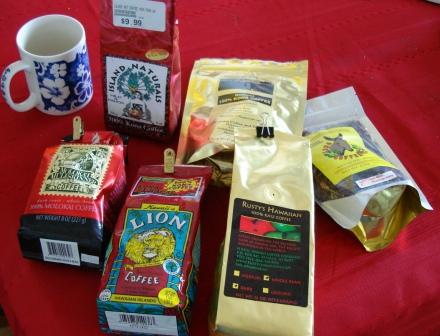
We buy local products whenever possible in support of Hawaii Island becoming self sustaining
Health food stores in Hilo Hilo has health food stores that carry items not available in the grocery stores. Island Naturals in the Hilo Shopping Center on Kilauea Ave Copyright 2008 - 2017 |