|
|
|
|
The information below provides some insight into issues reagarding moving pets, banking in Hawaii, trash services, and buying property or a house on the island.
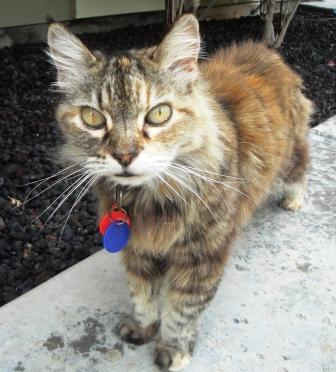
Moving your Pet to Hawaii Hawaii has special rules about moving pets in order to protect from pests and diseases being imported to these remote islands. All dogs and cats must comply with Hawaii's import requirements which are administered by the Hawaii Department of Agriculture. By planning in advance you can obtain a direct release of your pets so they don't have to deal with being quarantined. There are some breeds of non-domestic cats and dogs that are prohibited in Hawaii such as wolf, dingo, bengal, and others. And there are rules for other types of pets such as birds, fish, turtles, horses, and livestock. Here is information about bringing cats and dogs to Hawaii.
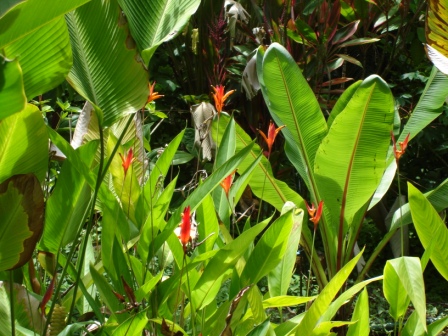
Before Buying Acreage or Farming in Hilo The lush landscape of east Hawaii drives many city-folks from the mainland to buy acreage to surround themselves with the tropical beauty of Hawaii. Hawaii's colorful flowers, delicious vegetables and fruit can make anyone want to take up farming. Before spending your savings on a piece of acreage, or even a large yard, in Hawaii consider the following: Yard Work and Acreage Control: The Hawaii yard size should be proportional to your passion for mowing, trimming, and weeding. Labor is expensive and hard to find in Hawaii. It is not like the mainland where you can get five bids to cut your lawn or trim the trees. Many long time residents have lava front yards to deal with their yard maintenance overhead. Lack of yard maintenance can quickly cause problems like drawing in loud coqui frogs, crawling bugs, plugged drainage ditches, and more. Tropical fruit trees, bushes, and grass require year round attention which can be very intense and exhausting in Hawaii's hot, humid climate. The year round warm weather in Hawaii means a year-round growing season with no break from gardening, farming or lawn maintenance. We know of people that have become lost on their 1 acre property due to the fast growth of trees and foliage that obscured their view and changed previously used landmarks. We were so surprised at the overwhelming amount of work required to maintain a small yard in Hilo, that we wrote a book about what we learned about maintaining a house in the tropics. If you are considering buying property in Hawaii, you may want to read our book YOUR IDEAL HAWAII HOME: Avoid Disaster when buying or building in Hawaii. The book describes our experiences in Hilo with yard work, bugs, rodents, and neighbors. Mowing, weed eating, bug control, algae cleaning, trimming, and harvesting are time-consuming and very physical tasks that need to be considered when purchasing a big acreage property. Find out how much time, money, pesticide, herbicide and gasoline the previous owner used to keep the landscape looking so picture perfect. We see properties for sale around the island that are portrayed as "low maintenance" yards, which have just been cut back and had massive amounts of herbicide poured on the lava. One good rain storm and the jungle will be growing up against the windows. Living Remotely in East Hawaii: Remote acreage in Hawaii often has limited county services such as road maintenance, water, electric, flood protection, cable, internet, cell service, and police coverage. Leaving a property unattended can be risky and finding someone to care for animals or watch a property in a remote area may be a challenge. We have met many people that bought acreages outside of Hilo before realizing the amount of hard labor involved in maintaining a property and the effort involved in living remotely. Make sure you know what you are getting into before buying what looks like a piece of paradise for an incredibly low price. If possible, rent near the area you are considering buying or volunteer at a farm in Puna or advertise your willingness to house sit to experience living in the area. Find out in advance if you love being outdoors in the hot, humid weather keeping a garden from bug and rodent invasions. Before Building or Buying a House in Hilo The perfect house for the mainland does not make a good house in Hilo, Hawaii. We have noticed that people often build their dream house for the climate they just came from rather than researching what makes the best house for Hawaii's tropical climate. In our book, YOUR IDEAL HAWAII HOME: Avoid Disaster when buying or building in Hawaii, we describe specific features of a house in Hawaii's tropical climate that keep a house cooler, reduce your utility bills, and help keep it free of bugs. You can read the first chapter of the book at the link above and see photos and diagrams of the design elements of an Ideal Hawaii house. Banking in Hilo The big mainland banks like Wells Fargo and Bank of America have no presence in Hawaii. Some people do their banking online and get cash via ATM's from their mainland banks. The local banks differ in their services, charges, and CD rates so it is worth shopping around. Here are the primary options:
Many folks use local Credit Unions
Trash, Recycling and Giving Stuff Away in Hilo
There is no curb garbage pickup in Hilo, so you have to sign up with an independent operator or take your garbage to the dump. Hawaii refunds 5 cents (HI5 program) on cans and plastic bottles (you pay a 5 cent deposit plus some at the store to pay for the program). Hilo has numerous places to take recycling including a site at the dump.
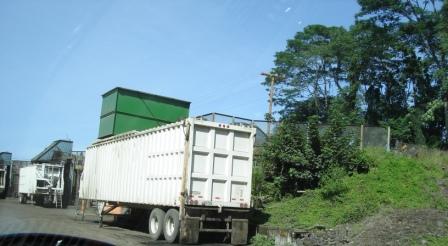
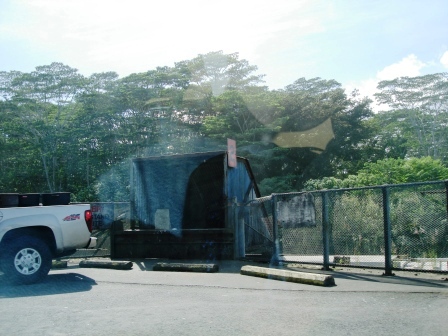
The Hilo Transfer Station is located near Hilo airport at the end of Leilani street. Turn toward the airport on Leilani from Hwy 11 and follow the street until you see the sign. Taking trash to the transfer station is free for residents. In addition to being able dump refuse, there are bins for recycling glass, cardboard, newspapers, and plastics. Green refuse is accepted and on certain days hazardous waste items are collected.
Copyright 2009-2020 |